
The best tragic action , in Aristotle’s viewpoint concieves a change in fortune not from misery to prosperity , but the opposite . This change is due to the error of humans in their actions . In chapter 13 of Poetics , Aristotle further enunciates wherefrom the tragic suffering ensues and the nature of the tragic emotions of pity and fear .
” There remains then , the intermediate kind of personage , a man not preeminently virtuous and just , who’s misfortune , however , is brought upon him not by vice and depravity , but by some error of judgement , of the number of those in the enjoyment of great reputation and prosperity , that is , Oedipus , Thyestes and men of note of similar families ”
Bywater’s rendering
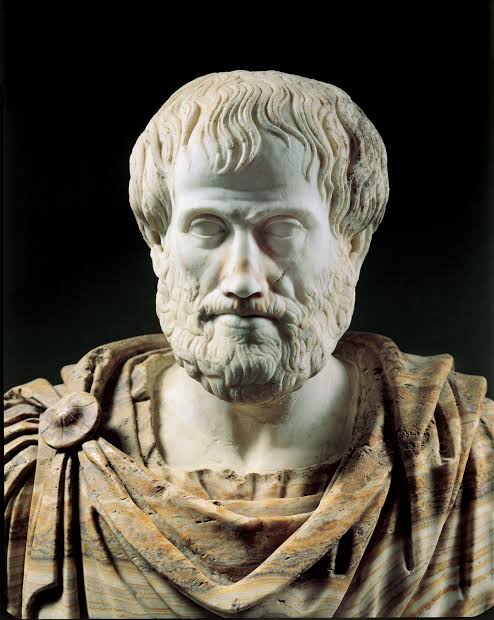
This is taken as a tragic flaw , instrumental to human misfortune and suffering , the degree of which may vary from age to age , from character to character . Errors , missteps , flaws and frailties all lead to the ultimate downfall .
 ONEWORLD
One thought on “Hamartia – a brief summary”