
The Greek term hubris signifies ‘ pride ‘ a sort of insolence as well as an egoistic sense of vanity about one’s personal ability or security .
The question of hubris is implied in Aristotle’s contention about the error of judgement , or what is called hamartia . Which we have discussed in the previous article which you can see here .
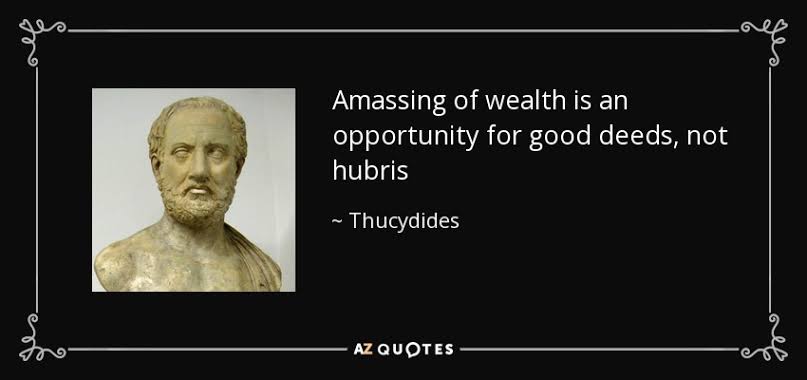
Pride for one’s dignity or heroic quality is no crime , but it’s definitely an infirmity , when it grows excessively and defies all regulations . This then pre supposes a fall and the effect of the hamartia becomes operative . Hubris , indeed , is related to hamartia and is a strong element in the operation of the latter .
Hubris in Oedipus Rex
Sophocles’s protagonist in his drama , Oedipus Rex ( King Oedipus ) is defiantly insolent and has a strong ego about his own purity which he declares with pride . This however , proves fatal for him as he brings upon himself the impact of the blemishes that he commited earlier ignorantly . In the play Oedipus was almost on the verge of tyranny , having been used to undivided authority . He became a victim of his own hubris as he lost all self control and was inclined to hasty inferences . As the truth was unravelled to him bit by bit we can see his slow decline to insanity . And as the messenger comes in and provides the ‘ nail in the coffin ‘ , Oedipus looses everything he ever held dear , his wife , his offsprings , his subjects and his throne . Blinded not only metaphorically but also literally at this point , the audience can sympathize and hence , this provides Catharsis for the audience .
- Basics One Should Know Before Investing In CryptocurrencyTrying to get into cryptocurrency but don’t know where to start? Let me show you the ropes and help you make heads and tails of all the technical buzzwords you will hear whenever you open a millennial’s podcast on cryptocurrency. 1. Digital Currency: Unlike traditional currencies, Cryptocurrency exists purely in digital form, meaning it’s notContinue reading “Basics One Should Know Before Investing In Cryptocurrency”
- 5 Books To Change Your LifeAtomic Habbits As the saying goes,“ We are the animals of habits”.This book precisely shows how much we can achieve in our personal lives as well as in professional lives just by making some changes in our daily life habits. This book is a gem if you wanna change your habits and get 1% betterContinue reading “5 Books To Change Your Life”
- Why are there so many tech support scammers in India ?We often see scammers in India being caught by the police running multi-million dollar schemes , yet the problem doesn’t seem to go away . As one is cut down , more take it’s place and continue the process . According to independent research , around 50-60% of all techsupport scammers are Indians , soContinue reading “Why are there so many tech support scammers in India ?”
- An introduction to Wuthering heights by Emily Brontë“If all else perished, and he remained, I should still continue to be; and if all else remained, and he were annihilated, the universe would turn to a mighty stranger.” Wuthering heights , Emily Brontë Wuthering Heights written by Emily Brontë and published first in 1847,is considered to be a classic of English Literature. When weContinue reading “An introduction to Wuthering heights by Emily Brontë”
- The Pre-Raphaelite movement and it’s artThe pre Raphaelite movement began in 1848 as an organisation of painters who called themselves Pre-Raphaelites . The occasion of the founding of the Pre-Raphaelite brotherhood was a book of engravings which Holman Hunt and D.G. Rosetti saw at the house of Edward Millais , of certain Italian frescoes . As the name suggests ,Continue reading “The Pre-Raphaelite movement and it’s art”
 ONEWORLD